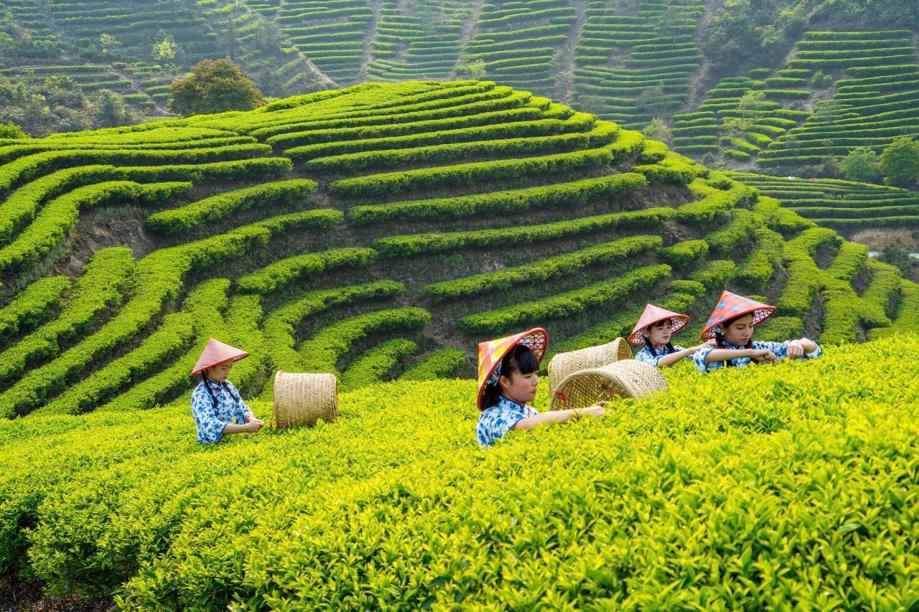
International Tea Day
Introduction
International Tea Day is a global observance celebrated annually on May 21, as designated by the United Nations General Assembly in 2019. The day recognizes the cultural, social, and economic significance of tea, one of the world's most consumed beverages, and aims to promote its sustainable production and consumption. As a celebration of tea's rich history and role in various cultures, International Tea Day becomes an occasion to appreciate and explore the diverse traditions associated with tea across different countries.
History
The inception of International Tea Day traces back to a resolution adopted by the United Nations General Assembly in November 2019, establishing May 21 as the official date for the celebration. This initiative was driven by the recognition of tea's importance as a source of livelihood for millions of families, particularly in developing countries, where tea production and processing constitute a primary means of subsistence. Tea has a long history, with evidence of its consumption dating back thousands of years in China, where it originated and subsequently spread to other parts of the world. Throughout history, tea has played a crucial role in cultural exchanges and trade between nations, fostering connections and mutual understanding.
Observance
United Nations Resolution
The United Nations resolution designating May 21 as International Tea Day underscores the beverage's significance in rural development, poverty reduction, and food security. The resolution calls upon the international community to observe the day through education and activities aimed at raising public awareness of tea's importance for sustainable livelihoods. It highlights tea as a vital contributor to economic growth, providing employment and income, especially in remote and economically disadvantaged areas. The resolution encourages countries to prioritize tea-related initiatives and cooperation to bolster the development of the global tea industry.
Celebration Activities
International Tea Day is marked by a variety of celebration activities worldwide, reflecting the diverse cultural heritage associated with tea. In China, as a major tea producer, ceremonies and exhibitions showcase the country's rich tea culture, featuring traditional tea utensils and performances. Events such as tea tastings, art exhibitions, and cultural salons are organized to promote tea's cultural significance and foster international exchange. These activities provide an opportunity for participants to immerse themselves in the traditions of tea preparation and appreciation, enhancing their understanding of tea's role in different societies.
Significance
Tea holds immense significance beyond its consumption as a beverage. It is intricately linked to social customs, spiritual practices, and cultural expressions across various regions. In many cultures, tea symbolizes harmony, relaxation, and hospitality, serving as a medium for social interaction and cultural exchange. The celebration of International Tea Day highlights tea's role in fostering community and connections, while also emphasizing its economic value as a key cash crop for developing countries. By promoting sustainable practices in tea production, the observance aims to support the livelihoods of small-scale farmers and contribute to global efforts towards poverty alleviation and environmental protection.








